Boston trade show services
BostonShow Floors,Kickoff to Strike.
Booth design, fabrication, rentals, I&D labor, AV, freight, and show-site supervision for exhibitors at the BCEC, Hynes, and the Seaport hotel circuit — one project lead from the first call to the final crate.
Boston Planning That Holds Up on Show Week
Boston exhibitors need more than attractive renderings. They need booth strategy, fabrication judgment, shipping control, labor planning, and AV coordination that can survive real move-in windows at Boston Convention and Exhibition Center, Hynes Convention Center, Seaport hotels, and busy conference properties around Cambridge and the inner suburbs.
A practical exhibit plan starts with the format that fits the event. Some teams need a custom build with strong product presentation and private meeting space. Others need a modular program that can be stored, refreshed, and reused across a yearly calendar. Many programs work best with a rental system that keeps capital spending tighter while still giving the booth a strong presence on the floor.
Labor planning matters just as much as the structure itself. Install and dismantle schedules, dock appointments, targeted supervision, and the order of crate opening all shape how smoothly the room comes together. When those details are handled early, crews spend their time building instead of correcting preventable mistakes.
Boston also rewards coordination across stakeholders. Marketing may care about product story and audience flow. Operations may care about freight, deadlines, and vendor handoffs. Leadership may care about budget control and what can be reused next quarter. A disciplined project path keeps those priorities aligned so the final exhibit performs in the room and remains realistic behind the scenes.
That same discipline protects event outcomes. Better schedules reduce rush charges. Better graphics planning lowers reprint risk. Better approval timing keeps the booth from getting trapped between design ambition and venue limits. Better show-site oversight gives the team a calmer week and a cleaner pack-out when the event closes.
More About Trade Show Services of Boston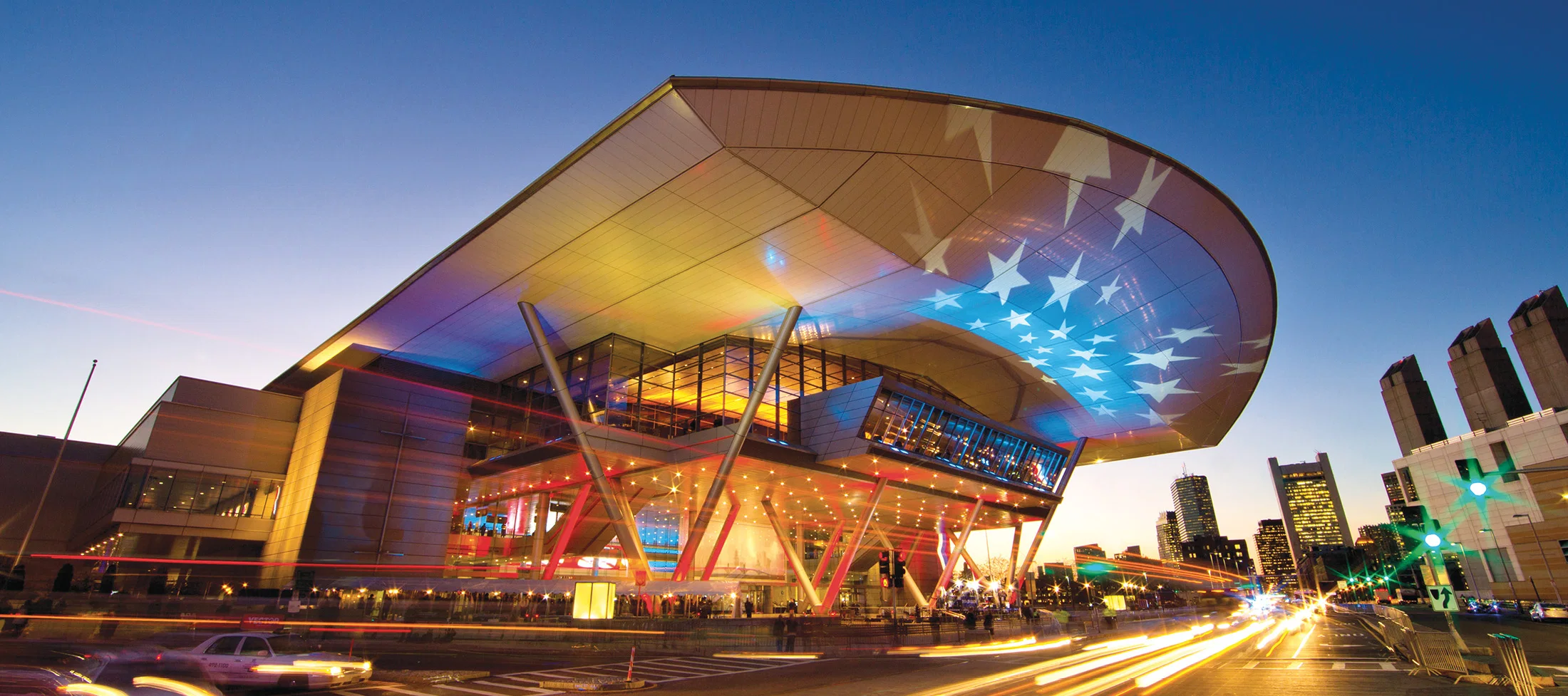
Boston operating conditions
One venue brief beats five disconnected assumptions.
Dock access, labor timing, service orders, guest flow, and graphics approvals need to be visible before fabrication starts.
Plan around MCEC conditionsBoston venues and neighborhoods, planned as operating conditions
The venue and district shape the labor call, freight path, hotel movement, and schedule risk before the booth design is finished.
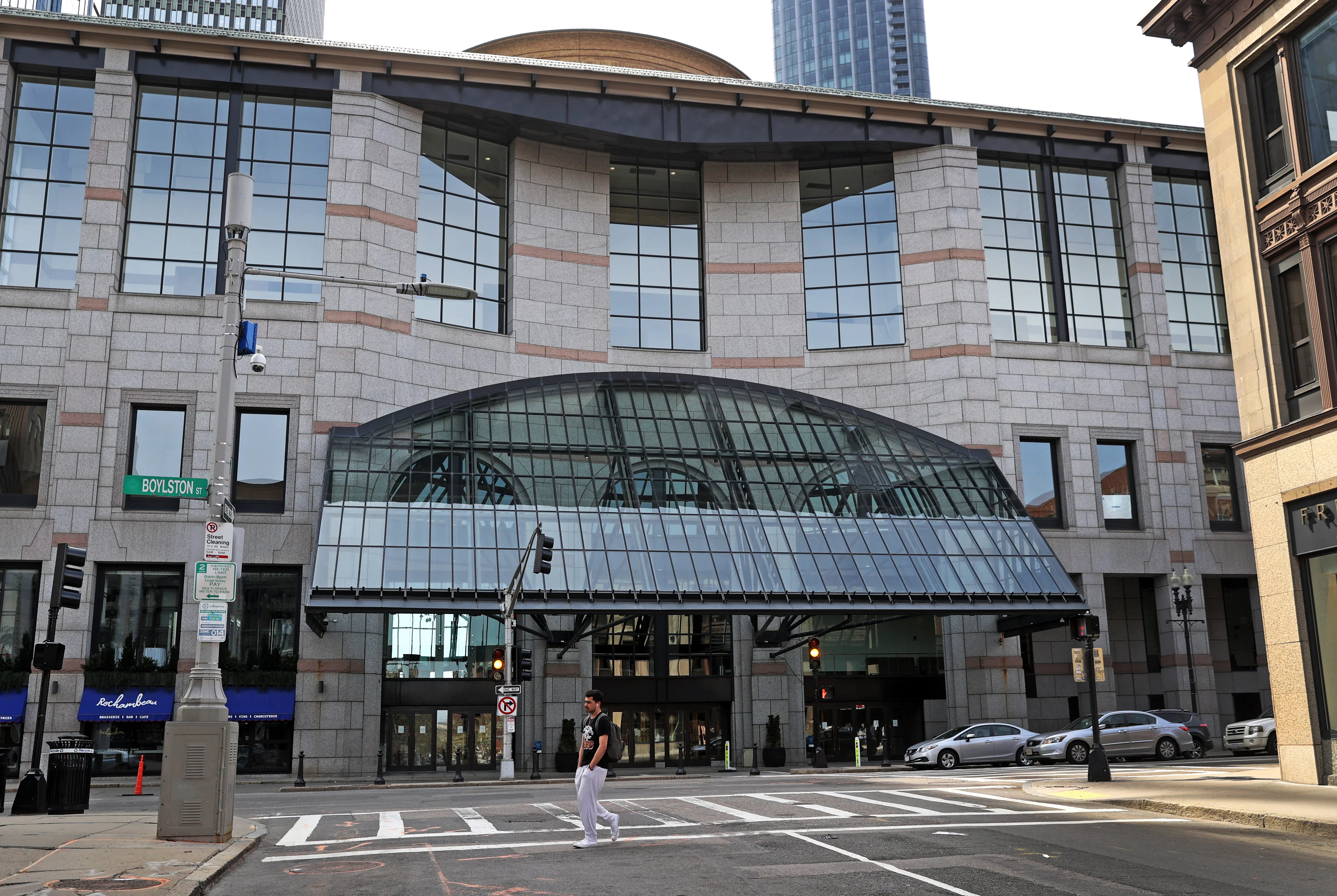 Hynes Convention Center
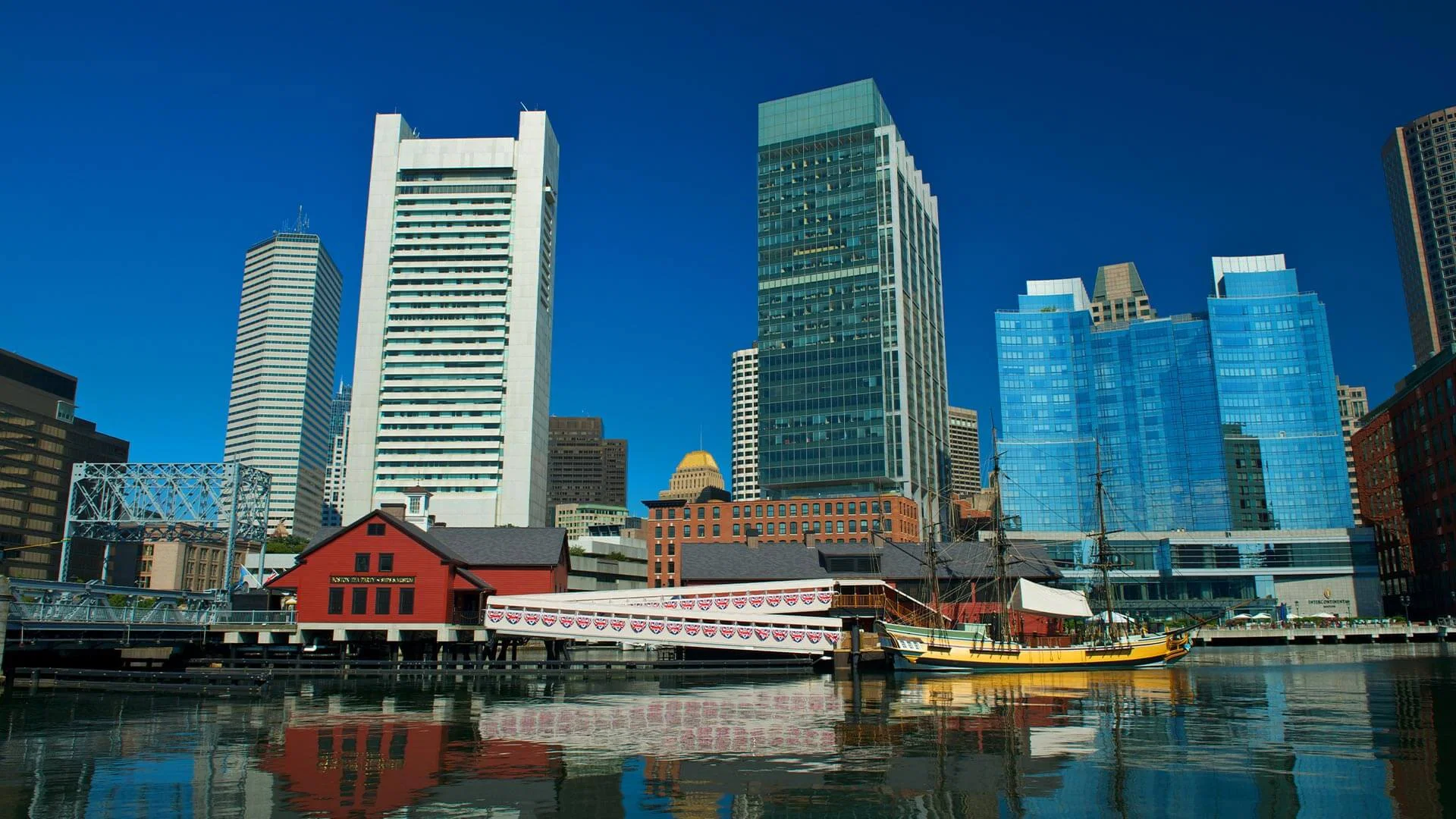 Seaport District
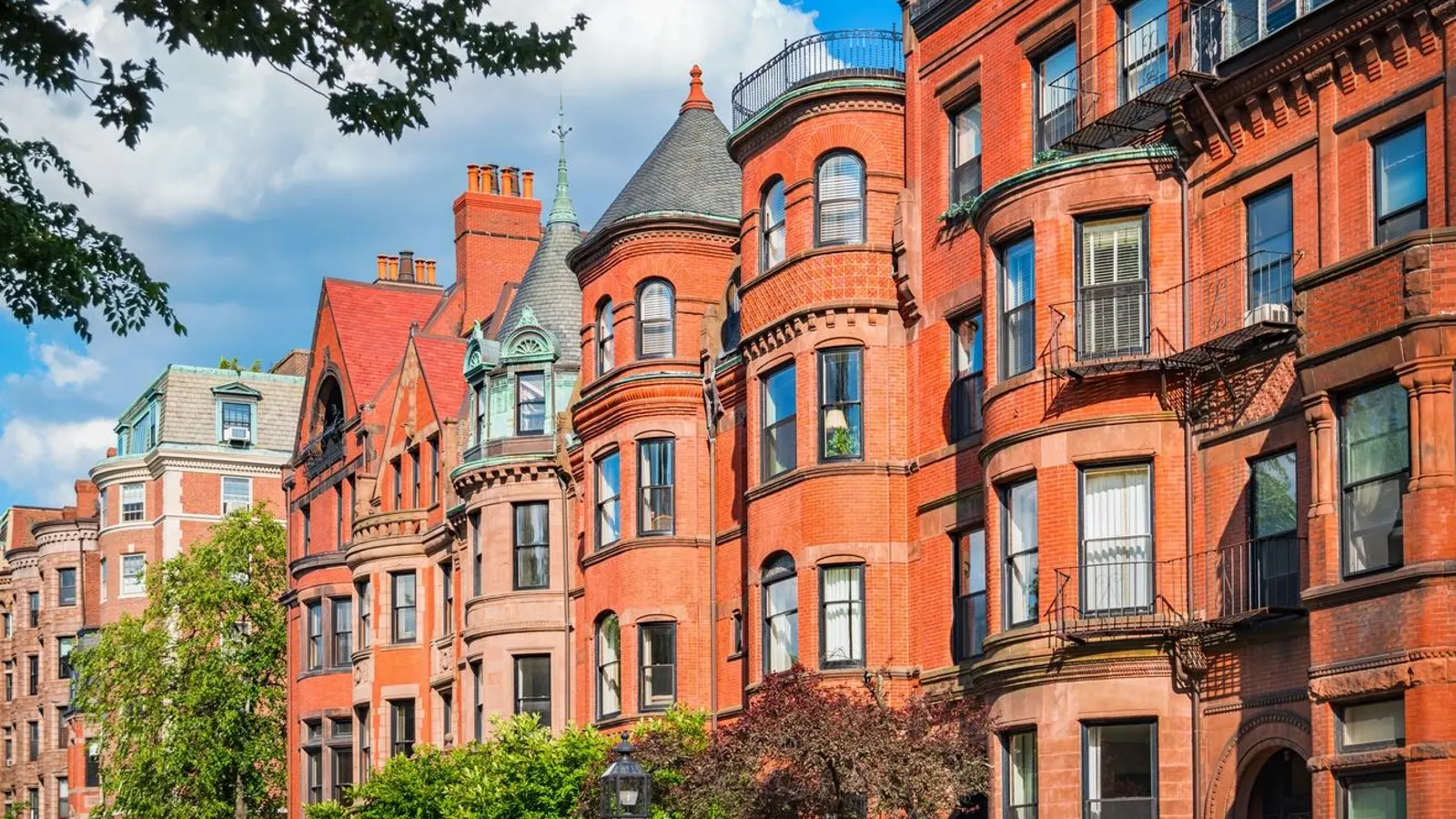 Back Bay
Display Formats Matched to Real Boston Event Conditions
Exhibit format decisions affect budget, freight, storage, staffing, and the speed of change between one venue and the next.
The right choice depends on footprint, show frequency, product story, and how much flexibility the program needs once deadlines tighten.
Custom
Tailored exhibit environments shaped around the sales story, the footprint, and the way attendees move through a Boston show floor. The emphasis is on fit, finish, and a layout that supports real conversations once the hall opens.
02Modular
Scalable systems for Boston programs that need repeatability, adaptability, and efficient change from one event to the next. Modular builds make it easier to adjust the footprint, refresh messaging, or shift between venues without starting over.
03Rental
Flexible exhibit packages that protect budget while still giving the booth enough presence to look current and deliberate. Rental programs work well when the timeline is tight, the footprint may change, or the team wants polished results without a long fabrication cycle.
04Portable
Lightweight display programs for conferences, satellite activations, and smaller footprint events where speed, setup simplicity, and easy transport matter. These systems help smaller teams stay nimble while keeping the presentation clean and professional.
05Sustainable
Eco-aware exhibit systems that reduce waste while still holding up to real Boston show schedules, shipping realities, and reuse goals. The priority is practical reuse, so the structure still has to travel well and perform on the floor.
06Aluminum
Clean structural systems with durable framing, lighter weight, and a sharper modern display language that works well for repeat programs. Aluminum formats are especially useful when the team wants clean geometry, efficient handling, and a crisp visual line across multiple events.
Trade Show Exhibit Manufacturing
From Concept to a Clean, Usable Exhibit
Strong Boston programs connect design intent to fabrication, paperwork, logistics, and field execution without letting one discipline drift away from the others.
That keeps materials, graphics, labor, storage, reuse planning, and live support working toward the same deadline instead of competing with one another.
Exhibit Design
Creative development shaped around brand goals, floor plans, venue-ready geometry, and the practical realities of sightlines, circulation, and working space. Good design in Boston has to support conversation, sample handling, demo flow, and a calm working rhythm.
Wood Fabrication
Built finishes, scenic forms, and detail work shaped for durability, brand expression, repairability, and install logic. The difference shows up in the way panels meet, graphics sit, and surfaces hold up after repeated move-ins and strikes.
Metal Fabrication
Structural precision, extrusion handling, and fabrication discipline that keep the booth sturdy, tidy, and easier to install. Strong metalwork gives the team a stable backbone, cleaner tolerances, and fewer surprises when the schedule gets tight.
Setup Documents
Advance paperwork, setup docs, and venue-facing documentation that keep show week organized and give the field team a clear sequence. The right packet reduces back-and-forth, clarifies ownership, and keeps the floor crew from guessing at intent.
Exhibit Staging
Field layout planning, staging logic, and show-site sequencing aligned to the actual loading schedule, not a guess about how the hall will flow. It is the difference between a crew that arrives ready to work and a crew that spends the first hour untangling avoidable bottlenecks.
Exhibit Packaging
Crating, outbound handling, return handling, and asset protection managed as part of the same delivery plan so the program can repeat cleanly. Good packaging protects the investment, shortens the reset cycle, and makes the next show easier to execute.
Make the Schedule Concrete Before Fabrication Starts
Boston exhibit performance starts with a brief that can hold up under real deadlines
Clear scope at the beginning makes it easier to manage approvals, production timing, freight release dates, on-site supervision, and the final sequence for install and dismantle.
The more disciplined the early decisions are, the easier it becomes to protect budget, reduce risk, and keep every stakeholder informed as the event gets closer.
Step 1
Brief the Boston Project
Share the show date, venue, service mix, and operating priorities so the production path starts from real event conditions. The more clearly the first brief names the building, the floor, and the timing, the easier it is to shape the right team around it.
Step 2
Shape the Right Exhibit Plan
Align design, rentals, fabrication, labor, logistics, and AV into a workable solution for the actual schedule and the actual venue. That keeps the final scope connected instead of letting each discipline drift into a separate conversation.
Step 3
Execute Show Week Cleanly
Move into venue-ready delivery with one coordinated path for installation, live event support, and dismantle so the floor stays under control. When the plan is clear before the truck rolls, the live event feels calmer and the handoff after the show is much easier to manage.
Turn Boston show pressure into a cleaner run of show
Build the next Boston exhibit with venue-specific planning and field-ready execution.
From MCEC and Hynes to Seaport hotels, Cambridge venues, and surrounding suburban conference properties, the work stays grounded in real venue conditions, real schedules, and current Boston demand patterns. That keeps the plan easier to run, easier to approve, and easier to hand to the next person without losing control of the details.
Whether the program is a first-time launch or a repeat appearance on the Boston calendar, the work should stay calm at the dock, clear on the floor, and easy to reset for the next event.
Request a Consultation